
Anderson
da
Precision, resilience, and mastery built in Brazil’s vibrant fight culture
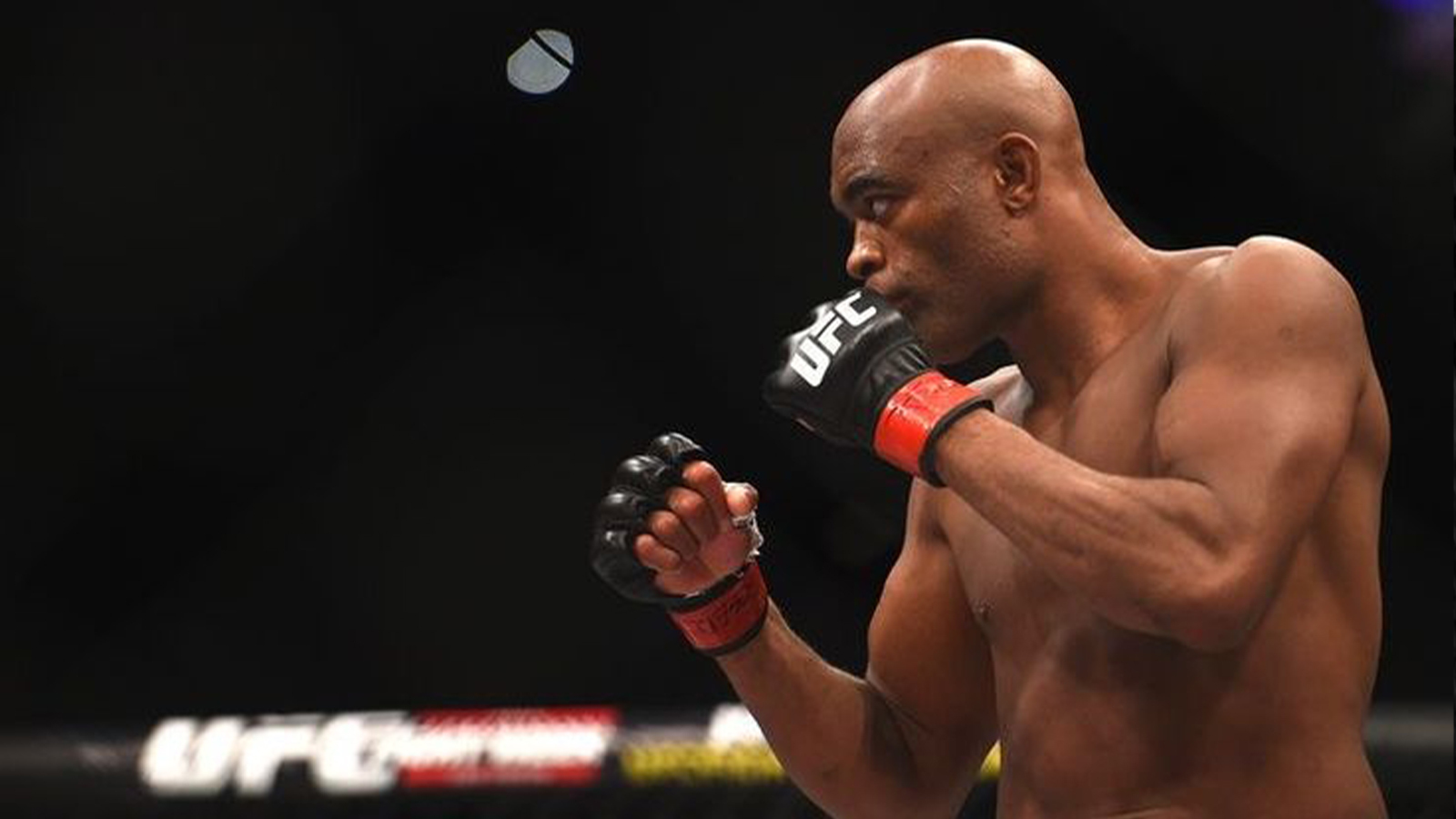
The Roots
Born in São Paulo and raised in nearby Curitiba, Anderson Silva grew up in a modest environment where street fights and informal martial arts were part of daily life. Early exposure to Brazilian jiu-jitsu and muay Thai shaped his approach to combat, while the vibrant fight culture of Brazil’s working-class neighborhoods fueled his passion. Access to proper training facilities was limited in his youth, but Silva’s natural talent and dedication pushed him towards formal martial arts academies as a teenager.
The Struggle
Silva’s early attempts to break into professional mixed martial arts were met with challenges common to many fighters outside top-tier gyms and networks. Financial constraints meant he often trained with minimal resources and competed in smaller regional shows in Brazil. Despite these hurdles, his technical mastery and creativity in the cage began to draw attention. A significant challenge was adapting his diverse martial arts background into a cohesive MMA style during a time when the sport was still evolving in Brazil.
"You can't give up on your dreams."
The Turning Point
A defining moment came in 2006 when Silva captured the UFC Middleweight Championship by knocking out Rich Franklin. This victory not only silenced doubts about his ability to compete on the world stage but marked the beginning of an era where Silva’s striking precision and fluid movement redefined mixed martial arts standards. His title-winning performance was celebrated for its technical brilliance and composure under immense pressure, signaling his arrival as a generational talent.
The Rise
Following his championship win, Silva embarked on one of the longest middleweight title reigns in UFC history, defending his belt 10 consecutive times. His ability to neutralize opponents with a unique blend of karate, boxing, and Brazilian jiu-jitsu skills set him apart. Notably, his fourth-round knockout of Vitor Belfort showcased his razor-sharp counter-striking. Silva’s reign was characterized by consistent innovation and resilience, as he continuously evolved his style to stay ahead in a rapidly advancing sport. His influence extended beyond wins, inspiring fighters globally to embrace technique and creativity.
Professional MMA debut in Brazil
Won UFC Middleweight Championship by defeating Rich Franklin
Set record with 10 consecutive UFC middleweight title defenses
Suffered first UFC loss to Chris Weidman, ending title reign
Announced return to professional competition after hiatus
What is Anderson Silva’s nickname and why?
Anderson Silva is known as 'The Spider' due to his long limbs and precise striking style that seems to ensnare opponents.
How long did Anderson Silva hold the UFC Middleweight Championship?
Silva held the UFC Middleweight Championship for nearly seven years with a record 10 consecutive title defenses.
What martial arts styles influenced Anderson Silva’s fighting?
Silva combined Brazilian jiu-jitsu, muay Thai, karate, and boxing to develop a dynamic and unique MMA style.
When did Anderson Silva make his professional MMA debut?
He debuted professionally in mixed martial arts in 1997 competing in local Brazilian circuits.
Is Anderson Silva still active in MMA?
Yes, as of 2023, Silva signed with ONE Championship and remains active in professional competition.
Trending Stories
Khabib Abdulmanapovich
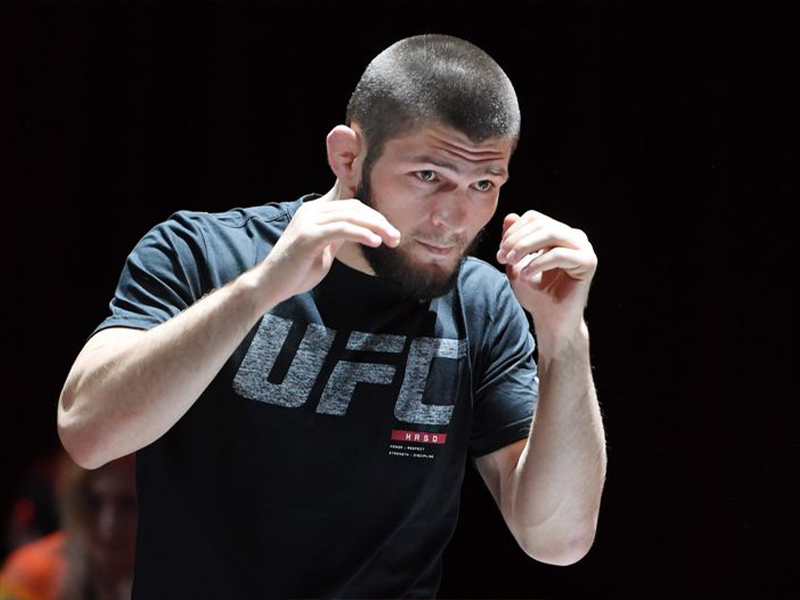
In the world of mixed martial arts, there are champions, and then there is Khabib Nurmagomedov. Beyond his unparalleled success inside the octagon, Khabib's journey is a testament to the power of resilience, discipline, and the unwavering human spirit. His story is one of overcoming unimaginable hardships and emerging as an inspiration to millions around the world. Khabib Nurmagomedov was born in a small village in the Republic of Dagestan, Russia. From a young age, Khabib was exposed to the harsh realities of life in the rugged Caucasus region. He was born into a family of wrestlers, with his father, Abdulmanap Nurmagomedov, serving as his coach and mentor. Khabib's journey was fraught with challenges. The Nurmagomedov family lived a simple life, often struggling to make ends meet. Despite these hardships, Khabib and his father shared a dream: to see Khabib become a world champion in mixed martial arts. Training in an old gym without the luxuries afforded to many young athletes, Khabib developed an incredible work ethic. He knew that success could only be achieved through relentless dedication and perseverance. The grueling Dagestani wrestling tradition, along with Khabib's rigorous training regimen, forged a spirit that could not be broken. Khabib's discipline extended beyond his training. Khabib's career in the UFC took off with astonishing momentum. His undefeated record and unparalleled grappling skills made him a force to be reckoned with. He carried his father's wisdom and teachings with him into the octagon, demonstrating respect for his opponents even in victory. Khabib's journey wasn't all about the victories; it was also about the defeats and the hardships. He faced personal losses that would have broken many others. When his father passed away in 2020, Khabib had to navigate the most difficult period of his life. Despite this enormous personal loss, he kept his father's lessons alive and continued to inspire people worldwide. Khabib Nurmagomedov's journey is a testament to the potential that lies within every human being. It is a story of a small-town boy from Dagestan who defied the odds to become a global icon, not just as a fighter, but as a symbol of inspiration and perseverance. His story resonates with all of us, reminding us that greatness is within reach if we have the heart to pursue it.