
Lee
Kiefer
Breaking barriers with every thrust and parry.
The Roots
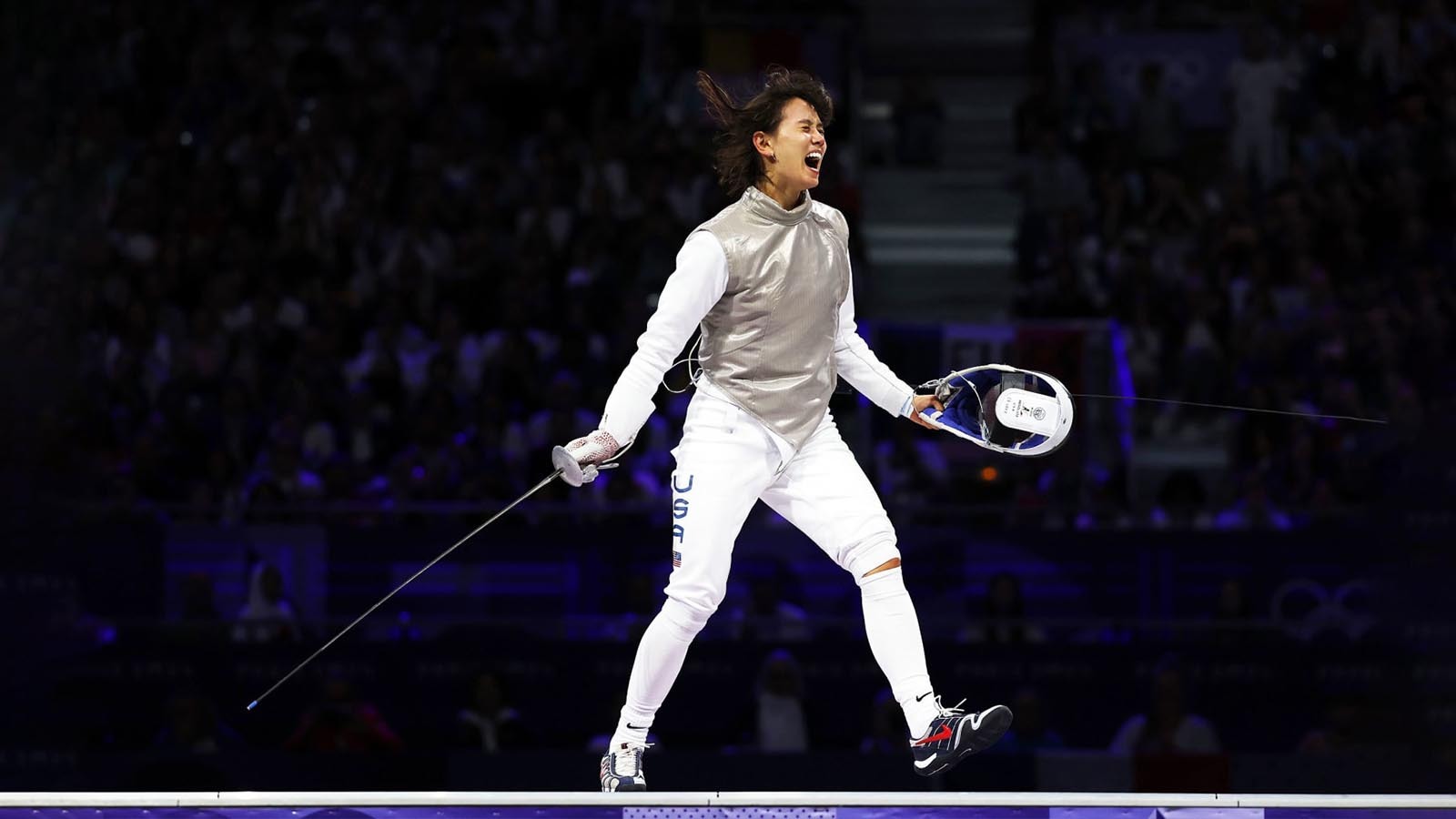
Born into a family deeply involved in fencing, Lee Kiefer first picked up a foil at a young age in Cincinnati, Ohio. Growing up, she was surrounded by the sport; her mother and brother were also accomplished fencers. Lee’s early exposure to fencing laid a solid foundation as she trained rigorously throughout her youth, competing in junior tournaments and developing a style noted for both precision and tactical intelligence.
The Struggle
Despite showing promise, Lee faced the challenge of balancing rigorous academic commitments with elite training during her high school years. The pressure intensified when competing against international opponents who had years of experience on global circuits. In her formative years, she also encountered tough competition within the USA Fencing community, including bouts where early elimination in national championships tested her resolve and pushed her to refine her technique.
"You have to be quick to adapt, to learn, to be gritty. Other times you need to be brave and take risks."
The Turning Point
Lee’s defining moment came during her collegiate career at the University of Notre Dame, where she made history by becoming the first woman to win four consecutive NCAA individual titles in fencing from 2013 to 2016. This unprecedented achievement was a breakthrough that propelled her onto the international stage with renewed confidence. It marked a transition from rising talent to a leading figure in American fencing.
The Rise
Following her collegiate success, Lee steadily climbed the world rankings by competing in World Cup events and World Championships. She represented the United States at the 2016 Rio Olympics, finishing fifth, an experience that fueled her determination to reach the podium. Leading up to the 2021 Tokyo Olympics, Kiefer demonstrated consistent performance, capturing multiple medals in international competitions. Her perseverance culminated in winning the gold medal in women’s individual foil at Tokyo, making her the first American woman ever to win an Olympic gold in that event and advancing the prominence of American fencing on the global stage.
Became the first woman to win the NCAA individual foil title as a freshman at Notre Dame.
Qualified and competed at the Rio Olympic Games, finishing fifth.
Won the Olympic gold medal in women’s individual foil at the Tokyo Games.
Where was Lee Kiefer born?
Lee Kiefer was born in Cincinnati, Ohio, USA.
What major Olympic medal did Lee Kiefer win?
Lee Kiefer won the gold medal in women’s individual foil at the 2021 Tokyo Olympics.
Which university did Lee Kiefer fence for?
She fenced for the University of Notre Dame.
How many NCAA individual titles did Lee Kiefer win?
She won four consecutive NCAA individual foil titles from 2013 to 2016.
Trending Stories
Misaki Emura
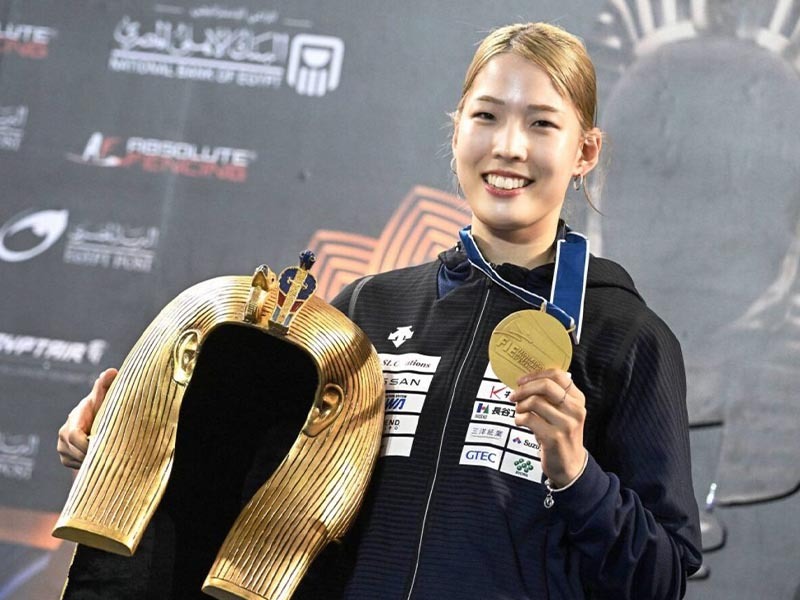
In the world of fencing, where precision, agility, and strategy are paramount, few stories resonate as deeply as that of Misaki Emura. A beacon of resilience and determination, Emura's journey from a young enthusiast to a celebrated champion is nothing short of inspirational. Her path, marked by significant challenges and unwavering dedication, serves as a testament to the power of perseverance and the spirit of a true athlete. Misaki Emura was born in Tokyo, Japan, in 1998. From an early age, she displayed a keen interest in sports, trying her hand at various activities before discovering her passion for fencing. Her introduction to the sport came somewhat serendipitously; a family friend, noticing her quick reflexes and competitive spirit, suggested she try fencing. The moment she picked up the foil, a new world of possibilities opened up for Emura. Emura's journey to the top was fraught with obstacles. In her teenage years, she faced a significant setback when she suffered a severe wrist injury during a training session. This injury not only sidelined her for several months but also brought her burgeoning career to a standstill. The rehabilitation process was long and arduous, testing her patience and resolve. Many athletes might have given up, but Emura's determination to return to the sport she loved never wavered. During her recovery, Emura faced another challenge - the financial strain of continuing her training. Fencing, unlike more popular sports, often lacks substantial funding, and the costs associated with equipment, coaching, and travel can be prohibitive. Emura's family made countless sacrifices to support her dream, and she took on part-time jobs to contribute to her expenses. This period of struggle only fueled her desire to succeed and prove that her sacrifices were not in vain. After months of grueling rehabilitation, Emura made her comeback, and it was nothing short of spectacular. She quickly regained her form and began to dominate local competitions. Her breakthrough came when she won a national junior championship, catching the attention of national selectors. Emura's performance was not just about her skill; it was a display of her mental fortitude and unyielding spirit. Her international debut was a learning experience, as she faced off against some of the best fencers in the world. Despite facing initial defeats, Emura's resilience shone through. She meticulously analyzed her performances, identified areas for improvement, and worked tirelessly to enhance her skills. Her persistence paid off when she clinched a bronze medal at the Asian Fencing Championships, marking her as a rising star in the fencing community. Emura's journey reached a new zenith when she qualified for the 2020 Tokyo Olympics. Competing on home soil was a dream come true, and she carried the hopes of a nation on her shoulders. Despite the immense pressure, Emura displayed remarkable composure and skill. Her performances were a testament to years of hard work, sacrifice, and an unbreakable spirit. Though she narrowly missed a podium finish, her Olympic journey was celebrated as a triumph of perseverance. Emura's story inspired countless young athletes in Japan and around the world, proving that with dedication and resilience, even the most daunting challenges can be overcome. Misaki Emura's journey is far from over. She continues to compete at the highest level, driven by a desire to achieve even greater heights. Her story serves as a beacon of hope for aspiring athletes, demonstrating that success is not just about talent, but also about the will to persevere through adversity. In every bout, every training session, and every moment of doubt, Emura embodies the spirit of a true champion. Her journey reminds us that while the path to success may be fraught with challenges, the rewards of perseverance, resilience, and unwavering dedication are immeasurable. Misaki Emura's legacy is not just one of sporting excellence, but of an indomitable spirit that inspires us all to reach for our dreams, no matter the obstacles in our way.
Bhavani Devi
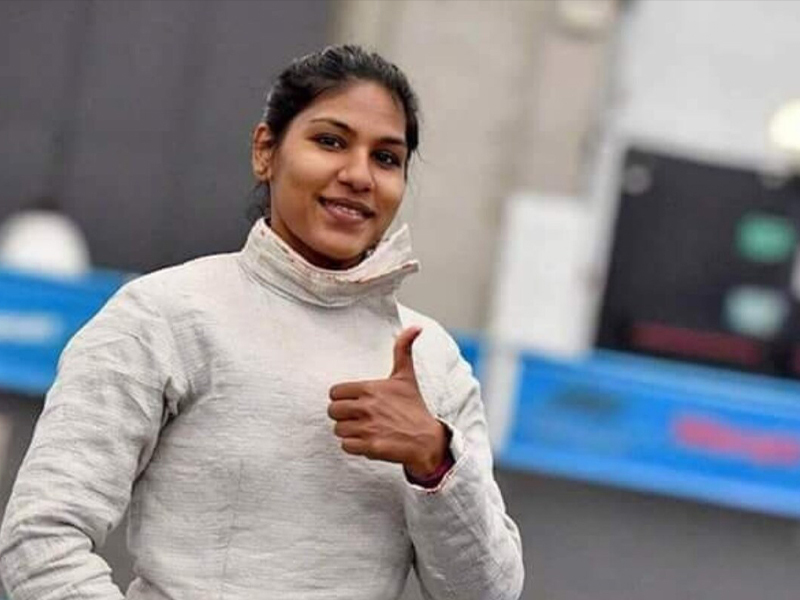
In the arena of Indian sports, one name stands out as a symbol of resilience, passion, and unyielding determination — C.A. Bhavani Devi. Her journey from the vibrant streets of Chennai to the global fencing stage is not just a personal triumph but a narrative that encapsulates the spirit of breaking barriers. As the first Indian fencer to qualify for the Olympics, Bhavani is rewriting the script for Indian sports and inspiring a new wave of enthusiasts to embrace unconventional paths. Bhavani Devi's entry into fencing was serendipitous. Introduced to the sport by her father, who saw potential in her, Bhavani faced numerous challenges. The lack of infrastructure and financial constraints could have deterred her, but she forged ahead, her heart set on mastering the art of fencing. Her early years in the sport were marked by rigorous training, discipline, and an unwavering commitment to her craft. Bhavani's breakthrough came when she clinched the gold medal at the Senior Commonwealth Fencing Championship in 2014, making history and setting the stage for a remarkable career. Her journey through national and international competitions showcased not only her technical prowess but also her ability to compete at the highest levels. As Bhavani Devi traversed the global fencing circuit, she earned accolades and recognition for her performances in prestigious tournaments such as the Asian Fencing Championships and the World Fencing Championships. Her tenacity and skill drew the attention of the international fencing community, positioning her as a formidable force on the world stage. The pinnacle of Bhavani's career came with her qualification for the Tokyo 2020 Olympics, making her the first Indian fencer to achieve this milestone. Her inclusion in the elite league of athletes at the Olympics not only reflected her personal triumph but also shattered the glass ceiling for Indian fencing. Bhavani's journey to the Olympics inspired a sense of pride and hope across the nation Bhavani Devi's story is not just one of victories but also of overcoming adversity. Facing financial challenges and training in an environment with limited resources, she embodies the spirit of resilience. Her journey serves as a reminder that talent coupled with unwavering determination can triumph over obstacles. C.A. Bhavani Devi's odyssey from a young girl with a sword in Chennai to an Olympic qualifier is more than a sporting achievement; it's a testament to the power of passion, perseverance, and belief. As she continues to make history, Bhavani Devi is not only redefining the narrative of Indian fencing but also leaving an enduring legacy for future generations of athletes.